How Can Landscaping Improve Small Yards Near T.C. Jester Blvd in Timbergrove?
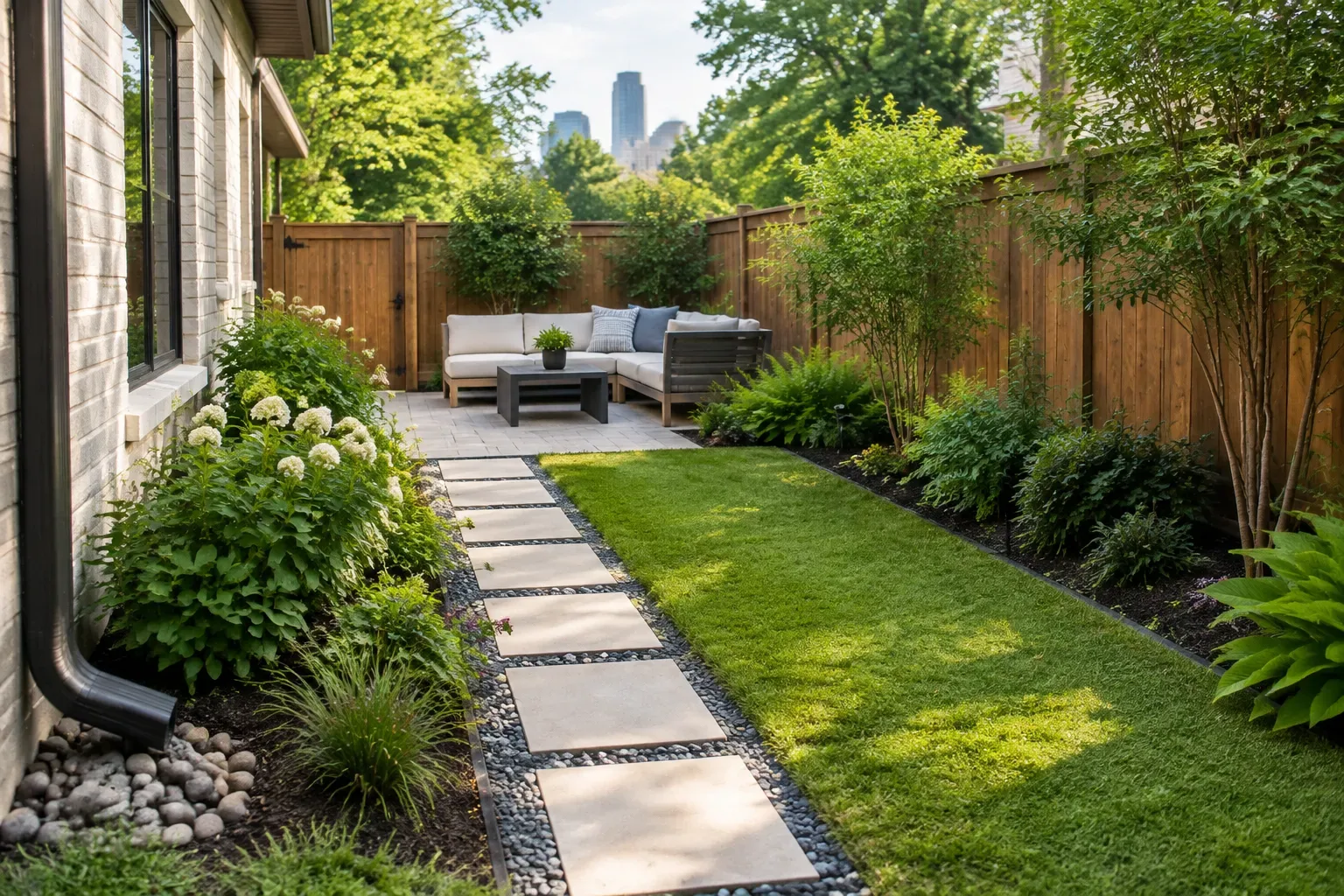
Landscaping can make a small yard near T.C. Jester Boulevard feel larger, work harder, and require less upkeep by giving every area a clear purpose. The most effective plans usually combine one direct walking route, a compact seating or activity zone, repeated planting groups, appropriate ground cover, and a drainage plan that accounts for roof runoff and heavy rain.
The goal is not to fill every open spot. It is to reduce visual clutter, preserve access around the property, and choose plants and surfaces that fit the actual sun, shade, soil, and water conditions on the site. Houston Heights Landscaping provides residential outdoor improvement services for Houston-area yards.
Quick Answer
A small yard improves most when the design starts with function instead of decoration. Measure the available area, identify wet spots and shade, reserve a practical path and maintenance access, then use a limited material and plant palette to create connected zones. Reducing poorly performing lawn can free room for planting beds, pavers, mulch, turf, or a small patio, but drainage and mature plant size should be resolved before installation.
What should a small-yard plan include before any installation starts?
A measured plan prevents a compact yard from becoming crowded or difficult to maintain. Mark the house footprint, fence lines, gates, downspouts, hose bibs, utility equipment, existing trees, and any place that stays wet after rain. Also note where people naturally walk, because that route should guide the layout rather than compete with it.
Small properties near T.C. Jester Boulevard can have very different setbacks, sunlight, tree cover, and drainage patterns. A site-specific plan matters more than copying a large-lot landscape idea. For a broader view of available outdoor improvements, review the company's Houston landscaping services.
- Measure the usable yard, including narrow side areas, gate swings, and the distance from beds to fences or structures.
- Watch the space at different times of day and record sun, deep shade, runoff paths, and areas that remain damp.
- Choose the primary purpose first, such as seating, pets, play, gardening, screening, or a more welcoming entry.
- Reserve one clear circulation route and access to utilities, cleanouts, drainage features, and fence gates.
- Assign the remaining space to a small number of connected zones using repeated materials and plant groupings.
How can a landscape make a narrow yard feel more open?
Visual order creates more perceived space than adding more features. Repeating a few plants and materials makes the eye read the yard as one composition, while scattered specimen plants, disconnected paths, and many edging shapes can make the same area feel smaller.
Use planting in layers instead of a single flat row: lower plants near an edge, medium forms behind them, and taller screening only where it has a purpose. Leave enough room for each plant's mature width. A privacy plant that outgrows its strip can block movement, press against a fence, and require repeated pruning.
A single path from a gate to the main destination often works better than several short paths. Curves and diagonal lines can help only if they improve movement or conceal an awkward boundary. If they consume useful seating, lawn, or bed space, a simpler line is the better design.
Which ground-cover choice fits the way you use the yard?
There is no universal best surface for a small Houston yard. The right choice depends on how much sun the area receives, whether it must handle pets or foot traffic, how roof runoff moves through the space, and how much maintenance the household wants to take on.
Smaller lawn area
A reduced lawn can preserve a soft play or pet area without asking turf to grow in every shaded or wet corner. Match any grass installation to actual light and drainage conditions rather than treating the whole yard as lawn.
Artificial turf
Artificial turf can be useful for a consistently green, high-use area, but it still needs appropriate base preparation, drainage planning, edge restraint, and heat consideration. Appearance alone is not enough to determine whether it suits the site.
Pavers or a compact patio
Pavers can define seating, grilling, or an entry zone with a durable walking surface. The finished elevation and runoff path need planning so the new hard surface does not direct water toward the house or a neighboring area.
Mulched and planted beds
Planting beds can add softness, seasonal interest, and less mowing when plants match the available light. Mulch helps moderate soil moisture and reduces bare-soil exposure, but it should not bury trunks, block drainage structures, or solve a grading problem by itself.
For a seating pad, walkway, or other built surface, hardscaping options in Houston can help frame the conversation around practical outdoor use. For an integrated plan that includes beds, turf, pathways, and outdoor living areas, see landscape design and installation in Houston.
Why should drainage be designed before beds, turf, or pavers?
Water that ponds in a small yard has fewer places to go. Roof discharge, compacted soil, nearby pavement, and a limited outlet can concentrate runoff near paths, fences, turf, or the foundation. A planting bed or permeable-looking surface may slow or filter some water, but it cannot correct poor grading or an inadequate discharge route on its own.
The U.S. Environmental Protection Agency explains that vegetated areas and green-infrastructure approaches can help slow, filter, and infiltrate stormwater when they are properly suited to the site. See the EPA's overview of how green infrastructure manages stormwater.
Before adding material, identify where downspouts discharge and where runoff leaves the property. Preserve access to drains and cleanouts, and avoid building a patio or raised bed that traps water against a structure. Drainage and gutters are among the listed services, but a site review is needed to determine whether a landscape adjustment is appropriate for a particular condition.
How do sun, shade, and irrigation affect a low-maintenance design?
Houston heat, humidity, intense sun, and periods of heavy rainfall place different demands on turf and planting beds. Nearby homes, fences, and mature tree canopies can create sharply different conditions within a few feet. Dense shade can also bring tree-root competition and dry pockets under the canopy, even after rain.
Group plants with similar water and light needs where possible. This is often called hydrozoning, which means keeping plants with similar watering needs on the same irrigation zone so one area is not routinely overwatered for the sake of another. The EPA's WaterSense landscaping guidance supports using suitable plants, mulch, and efficient watering practices to reduce unnecessary irrigation.
An irrigation layout should distinguish bed zones from turf zones and account for sun exposure. Poorly aimed or oversized spray can waste water and keep foliage wet longer than needed. If an existing system is involved, sprinkler installation and repair in Houston is a relevant next step for evaluating coverage and zone needs.
What is the common mistake with small patio and seating areas?
The usual mistake is sizing the hardscape around an ideal photo instead of how people need to move. A compact seating area should leave enough room for chairs, a usable route from the gate, and access around the house or fence. Installing the largest possible patio can eliminate planting space, service access, and the soft edges that make a small outdoor area comfortable.
Consider the sequence of use. If people enter through a side gate, need to reach a hose connection, and want seating near a back door, those movements should remain simple. A small, well-placed patio paired with one planting bed can be more functional than a larger surface surrounded by narrow leftover strips.
When is professional site input worth considering?
Professional input is particularly useful when water collects near the house, turf repeatedly fails, large roots limit planting space, a new patio changes grades, or a fence and planting screen must fit within a narrow boundary area. It is also useful when several goals compete, such as pet use, privacy, drainage, and entertaining.
Bring measurements, photos after rain, a rough sketch, and a list of priorities to the discussion. The latest project page can provide another route to explore the company's work before discussing a site-specific plan. Before construction, confirm property lines, underground utilities, deed restrictions, and any approvals that may apply to fencing, structures, or major hardscape changes.
What is the most practical takeaway for a small Timbergrove yard?
Start with the water path and the walking path. Once runoff, access, sun, and the primary use of the space are clear, the right mix of lawn, beds, pavers, screening, and seating becomes much easier to choose. A restrained plan with room for plants to mature will usually serve a small yard better than trying to fit every possible feature into it.
Ready to discuss your project?
Discuss a practical small-yard layout for your Timbergrove property with Houston Heights Landscaping.
FAQ
How do I make my small backyard look bigger with landscaping?
Use fewer materials and repeat them across the yard. A consistent border, one clear path, and grouped plants make the area feel organized rather than broken into fragments. Keep tall plants purposeful, place them where screening is needed, and avoid narrow islands that interrupt movement. Good sightlines from the house also make a compact backyard feel more open.
Should I keep grass in a small Houston yard?
Keep lawn where it receives suitable light, drains reasonably well, and serves a real purpose such as play or pet use. It does not need to cover every inch. Shaded, narrow, or frequently wet areas may work better as beds, mulch, or hardscape. A site-specific landscaping plan can help match the surface to the use of each area.
Is artificial turf a good idea for a small yard in Houston?
It can be, particularly for a small, high-use area where natural grass struggles or regular mowing is undesirable. It is not automatically the right answer for every yard. Consider direct sun and surface heat, pet use, drainage, subbase preparation, edges, and cleaning needs first. Turf should be installed as part of an overall water-management and access plan.
What should I do if water collects in one part of my yard?
First, observe when the water appears and where it comes from. It may be tied to a downspout, compacted soil, low elevation, irrigation overspray, or runoff from a paved area. A wet spot alone cannot identify the cause. Avoid simply adding mulch or soil until the drainage path is assessed, because that can redirect water or bury an existing problem.
Can a small yard have both a patio and planting beds?
Yes, if the patio is sized for the number of people and activities it needs to support rather than expanded to the property edges. A modest seating pad can work beside a planted border, provided there is still a clear route to gates, utilities, and service areas. Hardscaping planning can help clarify how pavers and planting areas fit together.
How far from a fence should I plant shrubs?
There is no single reliable distance because mature width varies substantially by plant, and fence maintenance access also matters. Check the expected mature spread, then leave room so foliage does not constantly press against the fence or block repairs. Account for roots, gate swings, irrigation heads, and the ability to prune from your side of the property.
Do small yards need sprinkler zones?
Often, yes. Small size does not mean every area has the same watering need. Turf in full sun, a shaded planting bed, and plants under a tree canopy may require different schedules or coverage. Separate zones can help avoid soaking shade plants just to water sunny grass. Existing irrigation should also be checked for misdirected spray and uneven coverage.
What should I bring to a landscaping consultation near T.C. Jester Boulevard?
Bring a rough sketch with dimensions, photos taken at different times of day, pictures showing the yard after a heavy rain, and a short priority list. Include practical needs such as pets, seating, privacy, drainage, gardening, or easier maintenance. Knowing where gates, downspouts, hose connections, and utility equipment are located will make the conversation more productive.